

Why This Assumption Could Cost You Everything
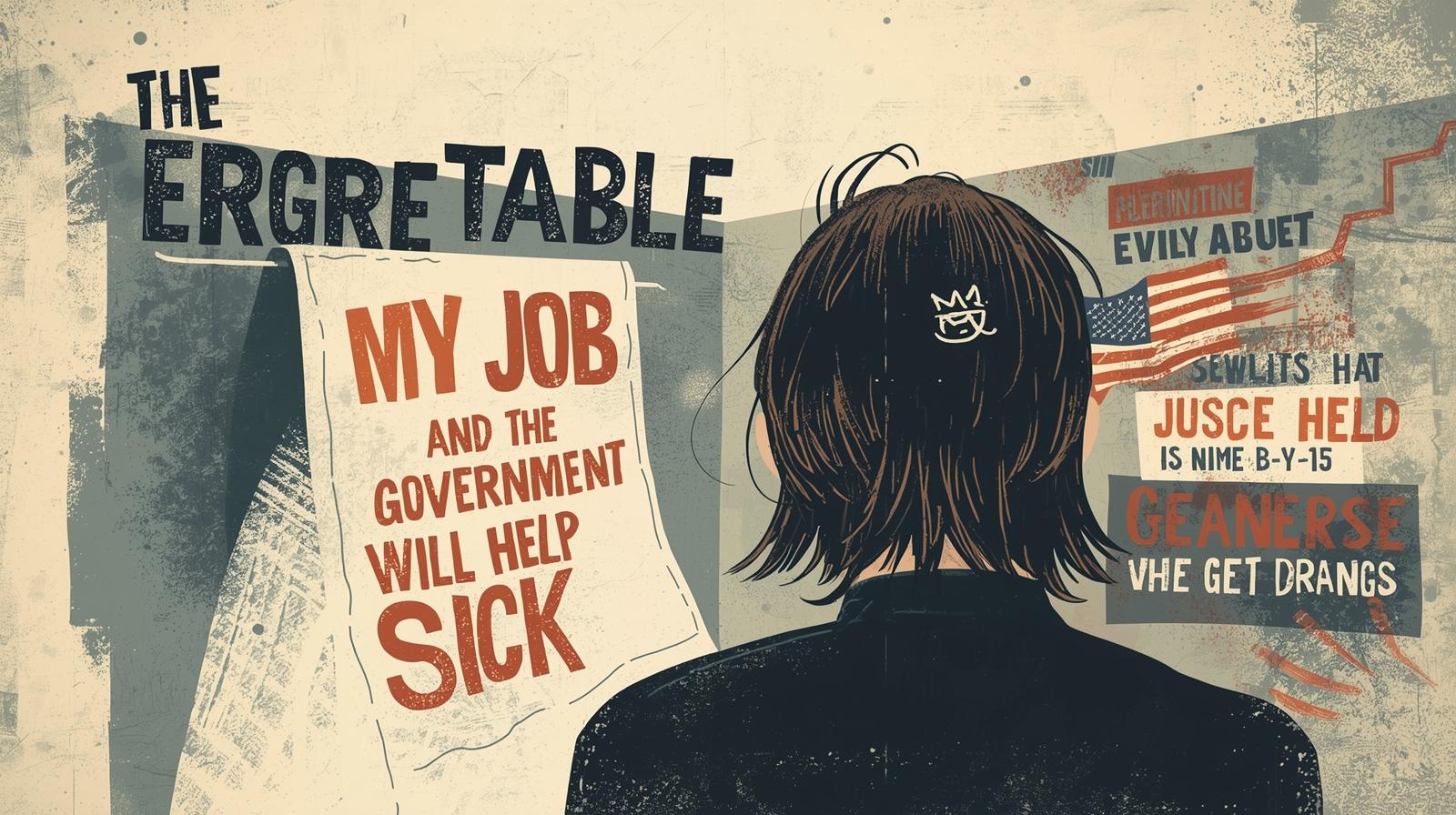
It’s one of the most common and dangerous assumptions in financial planning: “I’ll be fine. My job provides disability insurance, and if things get really bad, the government will be my safety net.”
This belief is a financial trap. It overlooks the harsh, often shocking realities of our benefits systems and leaves countless families vulnerable. Let’s break down why this thinking is a regrettable error and what the true cost of a major illness can be.
The Illusion of Employer Protection
Yes, many employers offer group life and short-term disability insurance. But these benefits have critical flaws:
- They Are Tied to Your Job. What happens if you are too ill to work and, after a period, are terminated? Your group coverage often disappears just when you need it most. You lose your income and your insurance lifeline simultaneously.
- They Are Often Inadequate. Group life insurance is typically a flat amount (like 1x your salary) and rarely sufficient for long-term family needs. Short-term disability might cover 60% of your salary for 3-6 months, but what about a cancer battle that lasts 2 years?
Relying on employer benefits alone is like building a fortress on rented land.
The Brutal Reality of Government "Help"
Turning to government programs like Medicaid for long-term care or Social Security Disability Insurance (SSDI) is not the simple safety net many imagine. It’s a system of last resort, and qualifying comes at a devastating personal cost.
1. The "Spend-Down" Mandate
Before you qualify for aid, you must first prove you are poor enough. This isn’t just having a low income; it’s about depleting your assets. You are often required to spend down almost everything you own:
- Your 401(k), IRA, or Pension
- Your Personal Savings & Checking Accounts
- Non-Retirement Investments (Stocks, Crypto, Bonds)
- Your College Funds (like a 529 plan)
- In many cases, even your spouse’s income and assets are considered.
You are forced to liquidate the wealth you spent a lifetime building before public assistance kicks in.
2. The "Look-Back" Penalty (5 Years)
To prevent people from simply giving away assets to qualify, programs like Medicaid impose a 5-year "Look-Back" period. Every financial transaction you made in the last five years will be scrutinized. If they find you gifted money, sold property below value, or transferred assets to qualify sooner, you will be penalized with a long period of ineligibility. Planning in a crisis is already too late.
The Harsh Truth: Your Financial Portfolio Isn’t Built For Sickness
Look at the chart below. It reveals a sobering truth about our traditional assets:
| Financial Portfolio | Critical Illness Protection? |
|---|---|
| Checking/Savings Account | ❌ No |
| CDs | ❌ No |
| 401k, 457, TSP, 403b, IRA | ❌ No (and you'll drain it) |
| Roth IRA | ❌ No |
| Stocks, Bitcoin, Crypto | ❌ No |
| Bonds | ❌ No |
| College Fund (529) | ❌ No |
| Annuities (Immediate) | Sometimes, but restrictive |
| Life Insurance (with riders) | ✅ YES - The Strategic Defender |
Most assets are designed for growth or retirement, not for a liquidity crisis caused by sickness. Using them for a medical catastrophe sabotages your future financial security.
The Strategic Solution: Be Your Own Safety Net
The alternative is to create a private safety net that you own and control, regardless of employment status. This is where modern, well-structured permanent life insurance (like IUL) with living benefits riders becomes a strategic defender of your entire portfolio.
A policy with Critical Illness, Chronic Illness, and Terminal Illness riders acts as a dedicated, tax-advantaged fund for a health crisis. It provides a lump-sum, tax-free benefit without:
- Requiring you to drain your 401(k).
- Going through a government "spend-down."
- Being subject to a 5-year "look-back."
- Disappearing if you lose your job.
It protects your other assets, allowing your retirement funds to stay invested and your family’s lifestyle intact.
Don't Make the Regrettable Error
Assuming “someone else will take care of it” is the gravest mistake in personal finance. True security doesn’t come from hoping employer benefits will suffice or that government aid will be dignified. It comes from proactive, private planning.
Your financial plan is incomplete if it only accounts for growth and death, but not for the turbulent, expensive journey of a serious illness in between.
Your Next Step: Review your coverage. Does your life insurance include living benefits? How long could you cover expenses if sick and unable to work? Consult with a financial professional who can help you build a strategy that defends your health and your wealth.